












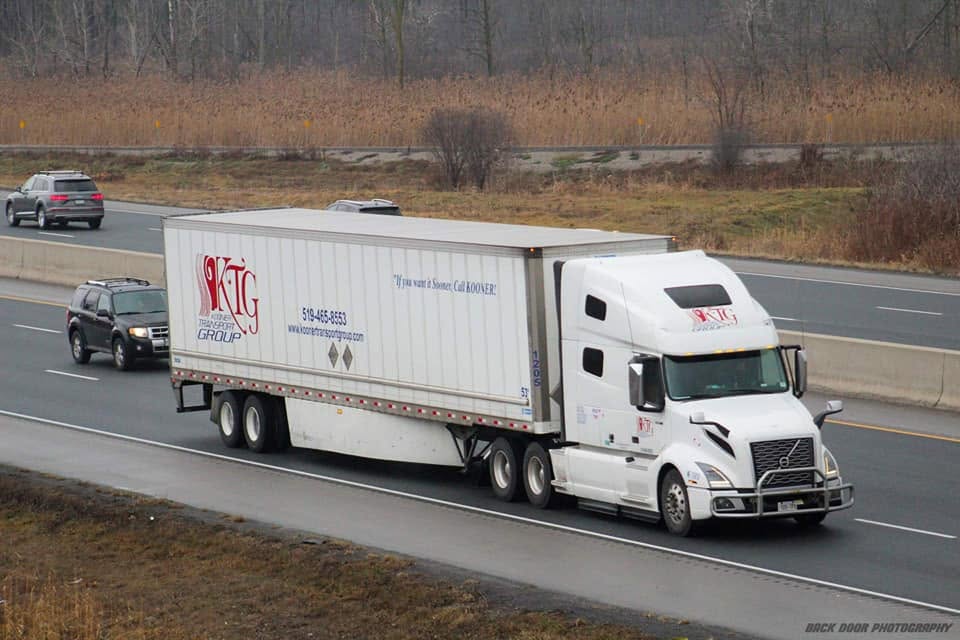
We built our own AI customs tool. It reads bills of lading and commercial invoices, flags mistakes and helps write precise cargo descriptions, so loads don't get held at the border.
Ask anyone who runs freight across the Canada–U.S. border what causes delays, and you'll hear the same answer: paperwork. Not the truck, not the driver, not the bridge. A vague cargo description or a bill of lading that doesn't match the invoice can hold a load for hours.
So we built something to catch those problems before the truck leaves our yard.
The problem: small paperwork mistakes, big border delays
Every cross-border load comes with documents from the shipper, mainly the bill of lading (BOL) and the commercial invoice. We use them to file the electronic manifests that border agencies require before a truck arrives: ACI eManifest for Canada and ACE eManifest for the U.S.
The most common problems we see:
- Vague cargo descriptions. Both the Canada Border Services Agency and U.S. Customs and Border Protection expect cargo to be described precisely. Descriptions like "parts", "general merchandise" or "samples" can be rejected or lead to a hold.
- Documents that don't match. The BOL says 22 skids and the invoice says 20. The weights differ. The consignee's name or address doesn't line up.
- Missing details that the customs broker or border officer will ask for anyway.
Any one of these can mean a truck sitting at the border while phone calls get made, burning the driver's hours and putting your delivery appointment at risk.
What we built: the KTG AI customs module
Our AI customs module reads the bill of lading and commercial invoice for each cross-border load and does three things:
- Reads the documents and pulls out the key details: shipper, consignee, piece counts, weights and product descriptions.
- Audits them against each other. It compares the BOL and the invoice and flags anything that doesn't match, so we can fix it before filing.
- Suggests precise cargo descriptions. Where a description is too vague for customs, it suggests clearer wording. For example, "auto parts" might become "automotive windshield glass" or "plastic bumper cores", based on what's actually on the invoice.
Our customs team reviews what the module flags and suggests before anything is filed with the border agencies.
Why it matters for your freight
- Fewer border holds. Problems get caught in our office, not at the booth.
- Earlier phone calls. If something needs correcting, we contact you or your customs broker hours before the truck reaches the border, not while it's sitting in line.
- More on-time deliveries. A truck that clears smoothly keeps its driver hours for driving, not waiting.
- Cleaner paperwork over time. When we spot the same issue on a lane repeatedly, we can tell you, so it's fixed at the source.
It works alongside everything else that keeps our cross-border freight moving: customs filed in-house, FAST approval, and our C-TPAT and PIP memberships. See our cross-border trucking page for the full picture.
How you can help
The module works best with good documents. When you ship with us:
- Send the BOL and commercial invoice early, ideally before pickup
- Describe products specifically: what it is, what it's made of and what it's for
- Make sure the counts and weights match across your documents
- Include your customs broker's contact details
Our guide to shipping from Ontario to the USA covers the rest of the paperwork.
Common questions
Does KTG use AI for customs paperwork?
Yes. KTG built its own AI customs module that reads bills of lading and commercial invoices, checks that they match, and suggests precise cargo descriptions before eManifests are filed.
Does the AI file customs entries on its own?
No. Our customs team reviews what the module flags and suggests before anything is filed with the border agencies.
Why do vague cargo descriptions cause border delays?
Border agencies in Canada and the U.S. expect cargo to be described precisely. Vague descriptions like "parts" or "general merchandise" can be rejected or lead to a hold while officers ask for more information.
Talk to us
Shipping across the border and tired of delays? Call our 24/7 dispatch team at 519-465-8553 or request a quote.